Get in Touch with Teng Yang Company


TPU Hot Melt Adhesive Powder for Textile & Industrial Bonding
Before approving a powder grade, match particle size, melting point, substrate, and storage control. We supply industrial-grade TPU hot melt adhesive powder for fabric, leather, footwear, heat transfer, lamination and for sample-driven bonding projects.
Particle size
Confirm the specific powder grade and target distribution before trial.
Melt window
Match the melting range to fabric safety, dwell time, and target adhesion.
Package terms
Ask for current package, label, storage, and sample-pack options during RFQ.
Shelf-life terms
Confirm storage guidance for the exact grade before bulk purchase.
Match TPU Hot Melt Adhesive Powder to Fabric, Heat, and Wash Requirements
TPU hot melt adhesive powder needs to be matched to the finished bond, not the product name. A polyester sportswear transfer, a nylon shoe material and leather lamination may each specify a TPU product but they can differ significantly in terms of their particle size, melting point, powder flow, cure window, and peel strength testing procedures.
Because of these project differences, this page approaches DTF powder as one particular use case in a larger B2B material sourcing framework. Whether you’re using your facility for direct to film printing, powder scattering, heat transfer, coating, or lamination, the initial question is universal: Will the powder melt and wet the substrate effectively and remain in place after the desired wash, flex, heat or handling cycle?
Shanghai Tengyang New Materials Technology Co., Ltd. specializes in supplying hot melt adhesive film, web, powder and granular materials including TPU, EVA, PA, PES, and PO.
Rather than asking “Do you sell TPU?”, a useful question for buyers is, “What grade of material do you recommend for our particular substrate and process window?”
Request Custom Solution


TPU Powder RFQ Inputs: Particle Size, Melting Point, Color, and Custom Formula
Particle size affects more than how the adhesive powder looks in the bag. It can change how transfer powder spreads across the surface, how quickly it melts, how much texture remains on the fabric, and whether a fine edge stays clean. Likewise, the melting point helps define how far the press or oven should move through the melt window without damaging ink, textile fibers, coatings, or a previous laminate layer.
We support OEM services and customised adhesive formulations. Thickness and width often pertain to film or web substrates, but powder quotations should reference the relevant particle size, melting range, colour and, if needed, an application-specific formulation. A conservative approach is to confirm the exact powder grade against your substrate and test method.
If a supplier offers a single, general TPU powder grade, request the particle size or mesh, the melting point range, and the sample testing parameters. A report stating “excellent bonding” is not a production result unless your fabric, press temperature, dwell time, and wash cycle were part of the test.
Buyers may also describe this material as TPU hot melt powder. Treat good adhesion, a strong bond, tensile strength, or chemical resistance as grade-specific results that need sample data or a current technical sheet, not as default properties of every powder.
SELECTION FIELD
RFQ CONFIRMATION NOTE
BUYER RISK IT CONTROLS
-
Particle size
Ask for the current Tengyang grade options and target powder distribution for your process.
Edge definition, powder distribution, surface feel, uneven melt, rough transfer back.
-
Melting point
Ask for the current melting range and recommended press or oven window for the selected grade.
Process temperature, fabric safety, cure window, and adhesion after washing.
-
Package
Ask for current package, label, sample-pack, and export packing terms.
Storage planning, moisture exposure, trial volume, warehouse handling.
-
Shelf life
Ask for current shelf-life, warehouse temperature guidance, and open-bag handling advice.
Clumping risk, sample validity, open-container control.
-
Documents
Technical data sheet, safety data sheet, test report, certificate copy if available
Procurement approval, quality sign-off, textile compliance review.
Powder-vs-Film Decision Ladder for TPU Bonding Projects
Not every TPU hot melt adhesive film buyer is also a powder buyer. A TPU bonding film page should discuss film; this powder page helps you decide whether powder is the better product branch before requesting a sample.
Project signal
Choose powder when
Consider film/web/granule when
RFQ action
Coverage control
You need variable coating, DTF printing, powder scatter, or localized transfer adhesive.
You need a full-area adhesive layer with stable sheet handling.
Share artwork edge detail and desired coating area.
Layer thickness
Powder build can be tuned by application amount and particle-size selection.
Film is stronger when exact adhesive layer thickness is the first requirement.
Share target hand feel and thickness limit.
Breathability
Powder can support discontinuous coverage when the process is designed for it.
Hot melt adhesive web may be better for soft, breathable garment bonding.
State whether softness, stretchability, or airflow is the top concern.
In-house process
Powder works when your line can meter, cure, and shake off excess adhesive cleanly.
Granules fit extrusion or coating operations handled in-house.
Share equipment type and temperature control method.
To make a powder enquiry, first determine the placement needed on the product. Should the project require a clear sheet layer, film could be a better alternative. Should it need powder of some distributed order, particle size and melt window will be your first experiments.
Engineering guidance for RFQ scoping
Are you unsure whether powder, film, web, or granule is the answer for your process?
Process Fit Matrix: Heat Transfer Printing, Garment Accessories, Footwear, Leather, and Automotive Interiors
Application names are only a jumping-off point. Two heat transfer plants may use different TPU powder if one is printing on polyester apparel while another is bonding nylon or coated fabric. Below, applications are transformed into RFQ inputs so you don’t need to undergo an iterative sampling process.

PROCESS / APPLICATION
BUYER RISK
POWDER REQUIREMENT TO CHECK
ACTION
DTF printing / direct to film
BUYER RISK:Uneven powder, edge lift after wash, rough hand feel.
POWDER REQUIREMENT:Particle consistency, transfer powder cure window, fabric/ink match.
Heat transfer printing
BUYER RISK:Adhesion loss after press, wash, flex, or stretch.
POWDER REQUIREMENT:Melting point, dwell time, pressure, fabric type.
Garment accessories
BUYER RISK:Stiff hand feel or poor stretch recovery.
POWDER REQUIREMENT:Elasticity, low melting point option, textile surface wetting.
Footwear and leather
BUYER RISK:Flexing, peel, and bonding to difficult shoe material.
POWDER REQUIREMENT:Peel strength method, flex test, substrate pretreatment.
Automotive interior inquiry
BUYER RISK:Provide substrate stack, process heat, and aging or odor requirements before any grade review.
POWDER REQUIREMENT:Engineering review category only; do not assume default suitability.
Leather and industrial lamination
BUYER RISK:Coating distribution, solvent replacement plan, surface preparation.
POWDER REQUIREMENT:Powder dosing, substrate cleanliness, technical data sheet review.
Bonding Quality Checks: Peel Strength, Tensile Behavior, Flow, and Storage Stability
Often a failed TPU powder experiment can seem like a product failure. In practice it may be a hidden bottleneck: open-bag storage, a moist batch, wide powder distribution, a cooler operating press than specified, or a coated fabric that resists wetting or adhesion. Test plan selection ensures these are evaluated in isolation.
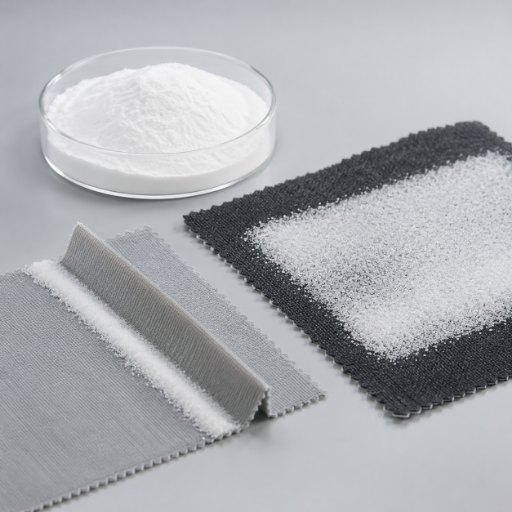

Determine if very fine powder is required along product edges or if a coarser range of sizes is suitable for a filled area. A wider powder size range can affect the texture and uniformity of the melt.
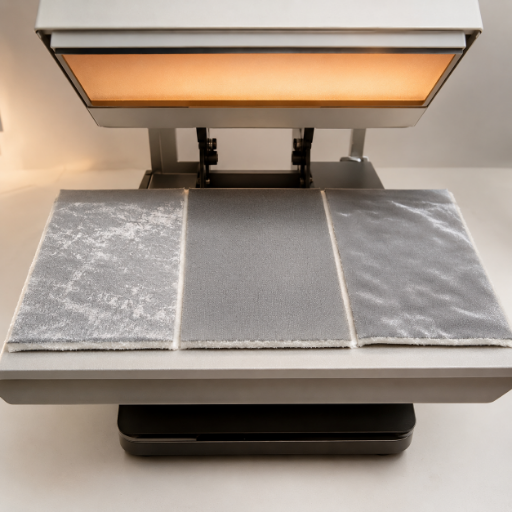

Always verify the actual powder temperature, not only the platen temperature. Over-curing or under-curing can create weak bonding, rough hand feel, or a poor surface result.
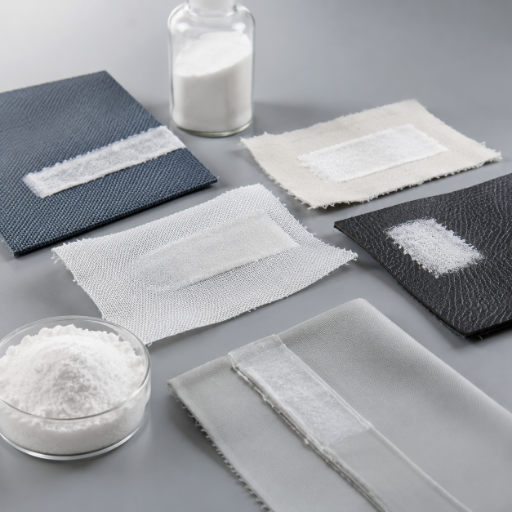

Polyester, nylon, cotton blends, leather, and coated fabrics do not always react identically. Before choosing a polyurethane powder, make sure you know the substrate and surface finish.
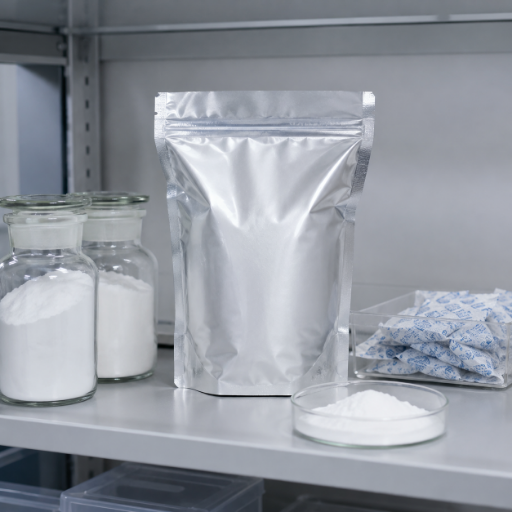

Keep the powder cool and dry because clumping affects flow characteristics. Your sample history should record storage duration, whether the bag was open, and the warehouse conditions.
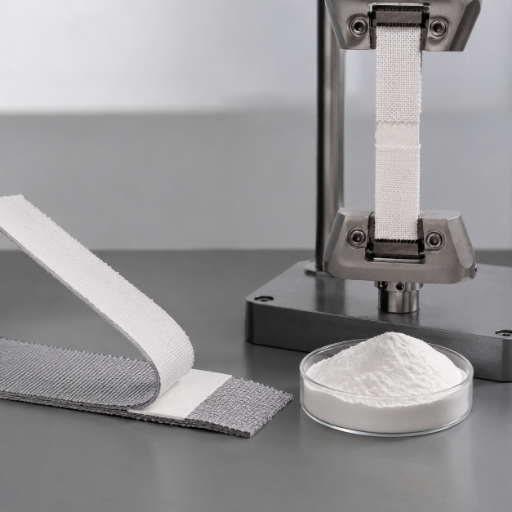

You can reference ASTM D903 for peel or stripping strength tests of adhesive bonds, or ASTM D638 when tensile-property discussion of the TPU material itself is needed.
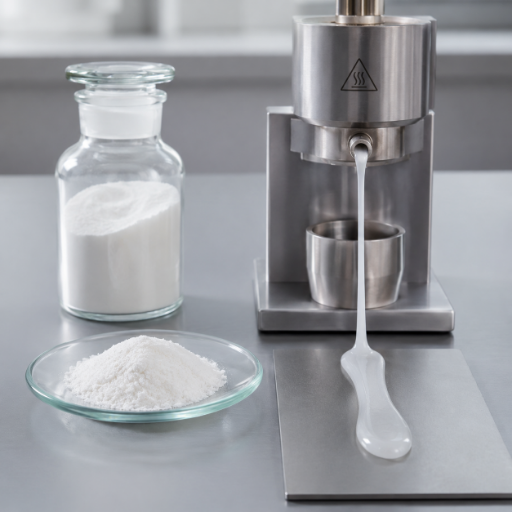

ISO 1133-1:2022 can frame melt mass-flow rate and melt volume-flow rate discussion for thermoplastics. It is not a substitute for bonding tests on your actual substrate.
Sample-run acceptance protocol
Record 6 processes in the matrix, 4 processes with storage sensitivity, 3 inspections before pressing, 3 inspections after pressing, 2 inspections after washing, 5 processes tied to RFQ inputs, 4 processes tied to test methods, 6 inspections in the sample record, 3 processes that may point to film, 2 processes that may point to web, 4 inspections for packaging, and 3 inspections for documents. This count block exists so the handoff is auditable, not decorative.
Want a test plan before sending bulk order details?
Send Your Fabric and Process TemperatureDocument Review for Textile, Footwear, and Export-Ready Orders
For textile and footwear buyers, ask early for necessary documents. OEKO-TEX STANDARD 100 is a harmful-substances testing standard for textiles, but this page does not state that Tengyang TPU powder carries that certificate. Request current documentation for the exact item if your program requires it.
Before approving any sample, be sure to request the tech sheet, SDS sheet, storage instructions, and any applicable test reports. If there’s a market-specific certification needed, indicate it on the RFQ, rather than assuming it is a universal attribute of the adhesive powder.


Product grade and particle-size range.
Melting point or operating temperature window.
Storage and shelf-life statement.
Technical data sheet and safety data sheet.
Peel, wash, tensile, or other test report if available.
Certificate copy only when issued for the exact product.

RFQ Checklist: What To Send Before We Recommend a TPU Powder Grade
A helpful quotation starts before the price. Tengyang can recommend TPU powder, hot melt adhesive film, hot melt adhesive web, or another adhesive form only after the product use is clear. Provide the fields below so the team can narrow the sample route without repeating the same questions.
-
01
Substrate: polyester, nylon, cotton, leather, TPU/PVC, nonwoven, or other.
-
02
Treatments: heat press, powder scatter, DTF printing, lamination, coating or footwear bonding.
-
03
Target temperature and dwell time.
-
04
Required hand feel: soft, elastic, firm, or low texture.
-
05
Wash, dry-cleaning, flex, or aging requirement.
-
06
Color: white, clear, black, or custom.
-
07
Particle size or mesh preference if known.
-
08
Sample quantity and expected bulk stage.
-
09
Package preference and warehouse condition.
-
10
Documents: TDS, SDS, test report, certificate copy if available.
-
11
Destination market and shipment schedule.
-
12
Decision-maker role: engineering, QA, procurement, or owner.
TPU Powder Engineering & Decision Tools
TPU Hot Melt Adhesive Powder FAQ
What is TPU hot melt adhesive powder used for?
It is used when a thermoplastic polyurethane adhesive must be applied in powder form for heat transfer, DTF printing, fabric bonding, footwear, leather lamination, or industrial coating projects. The exact fit relies on the substrate, particle size, melting point, and test target.
How do I choose particle size for TPU powder?
Consider the surface and the method of application together. Fine powder may support edge detail and even transfer coverage, while larger particles may suit wider coating or scatter use. Share your process and fabric so the grade can be matched for sampling.
What melting point should I choose for fabric heat transfer?
Choose the melt window around the fabric, ink, press, dwell time, and wash target. A lower melting point can help protect heat-sensitive textiles, but it still needs enough bond strength after the specified wash or flex test.
Is TPU powder better than TPU hot melt adhesive film?
No. Powder is suitable for variable coverage, DTF powder usage, and granular dosing. Film is appropriate for controlled sheet thickness and cleaner layer handling. If the project requires breathability, a web adhesive might be more appropriate than either powder or film.
Can Tengyang customize TPU powder for my substrate?
Yes. Tengyang offers customized bonding solutions with application-specific recommendations. Share your material, process temperature, thickness or hand-feel limit, color, sample quantity, and test target.
How should TPU adhesive powder be stored?
Use it in a cool and dry area, keep the bags sealed and avoid prolonged exposure in the open. Otherwise confirm Tengyang current shelf life and storing advice for the exact grade purchased.
Can I request a sample before a bulk order?
Yes. For most textile, heat transfer, footwear, or lamination projects, a sample run is the right approach because the powder must match your substrate and process, not only the product category.
Trending now


